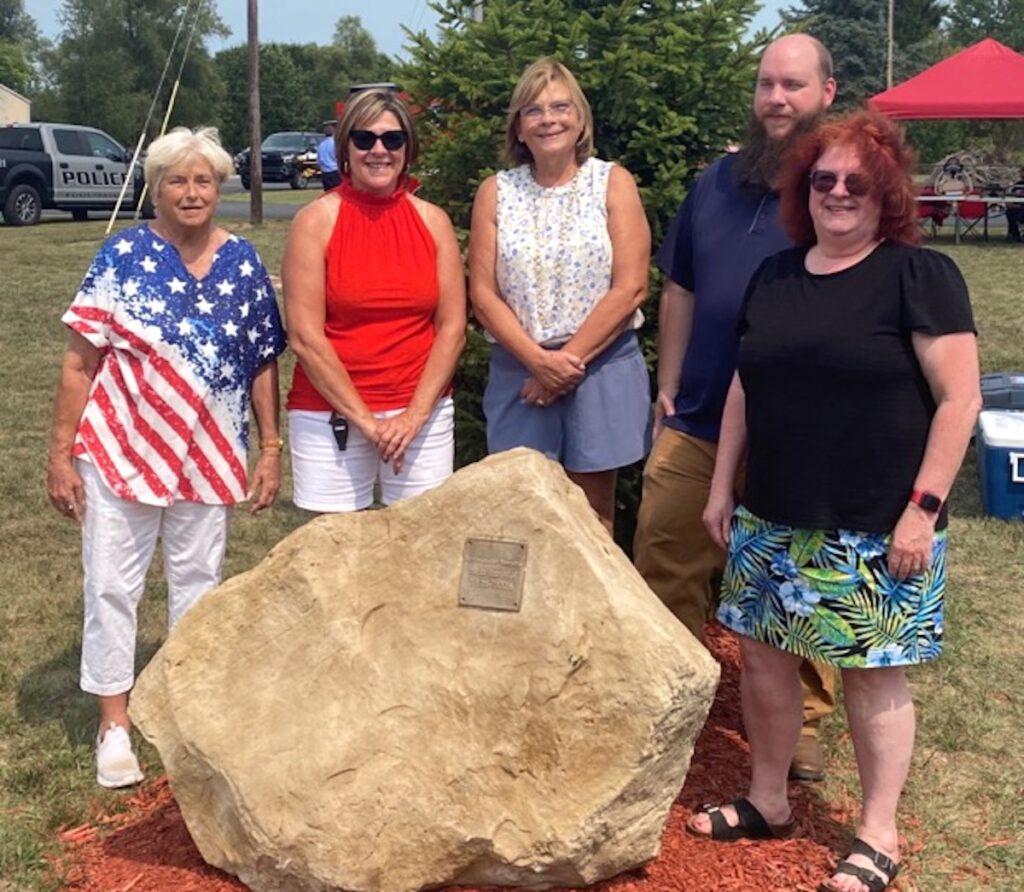
RAISIN TWP. — The 200th anniversary of the settlement of Raisin Township was marked by a bicentennial celebration on Aug. 9.
According to historical information compiled by Kathryn Smith, the township — and the River Raisin, which bisects it — got their name from French explorers who noticed the many grape vines growing along the river banks.
West of the river, Noah Norton arrived in 1826 to settle in “the valley,” establishing a farm where the Valley School, or Raisin Valley Seminary on Valley Road, would later stand. He was joined by Darius Comstock, a dedicated Quaker who eventually persuaded 30 other Quaker families to migrate here. By 1829, they built the Raisin Valley Friends Church, which still stands on the corner of Valley Road and M-52 and is the second oldest continuously used church building in Michigan.
East of the river, the settlement grew just as rapidly. It was said that in the first years, the Quakers settled on the west side of the River Raisin and the Puritans settled on the east side of the river.
In 1834, the first township election was held at the house of Amos Hoag. In 1835, the Holloway Log Schoolhouse opened its doors, with Mary Ann Simonds teaching the township’s children.
Around 1870, it is recorded that Raisin Township led the nation in wheat production. And by the 1880s, along with Tecumseh, Raisin Township played a role in making this region the “Celery Capital of the World.”
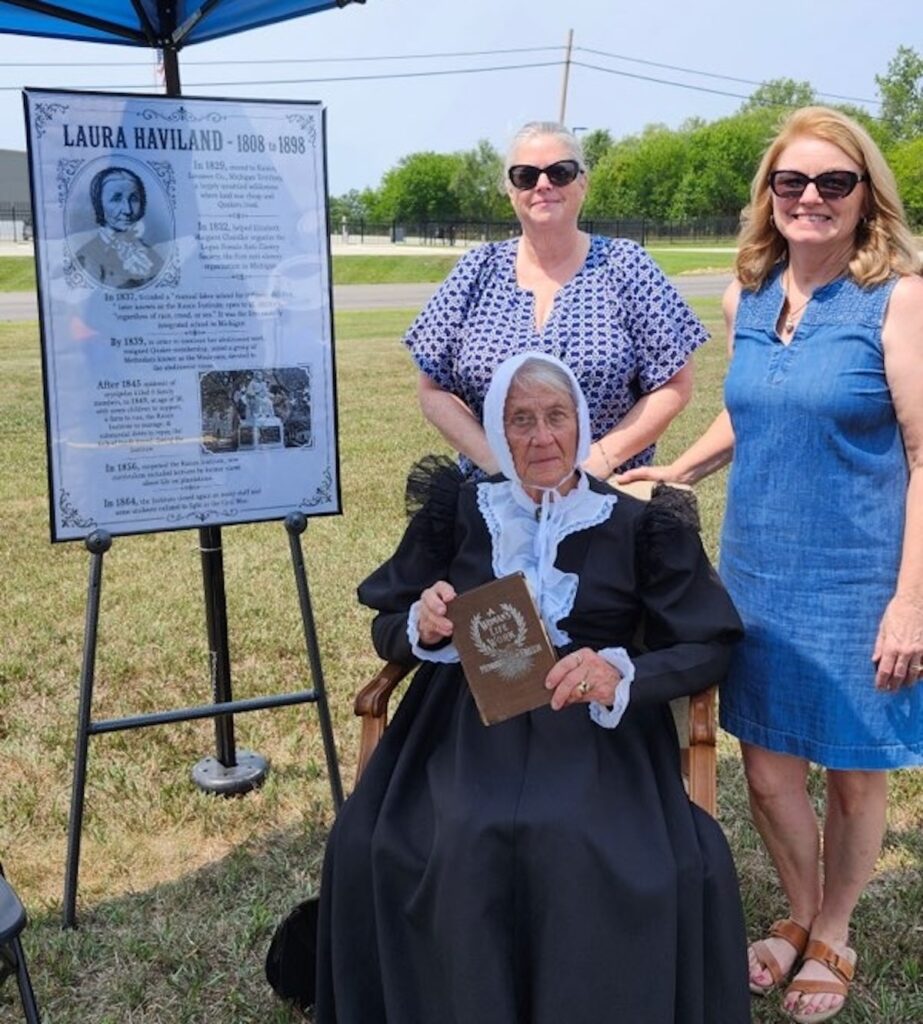
The bicentennial celebration also honored two women from Raisin Township who fought for human rights: Elizabeth Margaret Chandler and Laura Smith Haviland, who organized the Logan Female Anti-Slavery Society, the first anti-slavery organization in the Michigan territory.